Intel says it will remain involved in Musk’s Terafab project
CEO Lip-Bu Tan told Bloomberg that Intel will keep working on the planned Texas chip project, after reports raised questions about its progress and possible TSMC involvement.
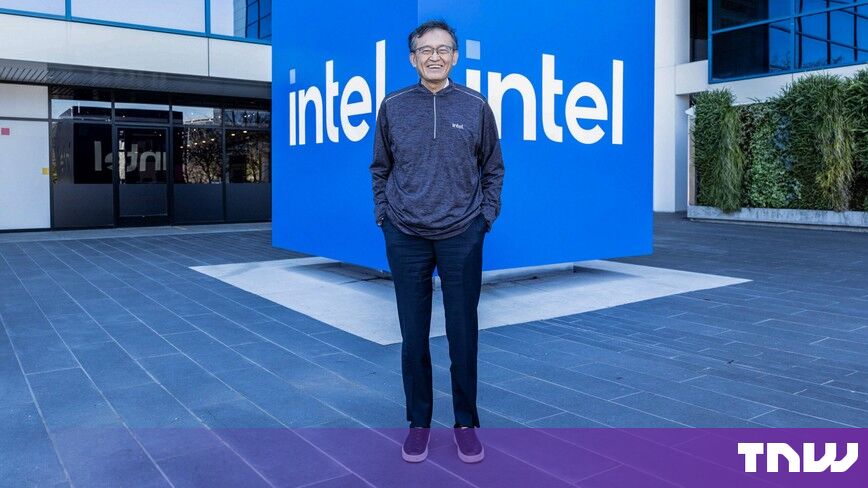
Intel CEO Lip-Bu Tan says the company will continue work on Terafab, Elon Musk’s planned chip project in Texas. Tan made the statement to Bloomberg before an event in Tokyo marking Intel’s 50 years of operations in Japan. It addresses reports that Intel’s work had stalled and that TSMC might join the project.
Terafab is a planned effort involving Tesla, SpaceX and xAI, which has since merged into SpaceX. Intel became its first named partner in April, with a stated role in chip design, manufacturing and packaging. The project’s plans have since included a proposed site in Grimes County, Texas, and $16.8bn committed for its first phase by SpaceX and Tesla.
Intel restates its role in Terafab
Intel’s position matters because the company was publicly identified as the project’s first named partner. Its announced contribution spans three parts of the chip process: design, making chips and packaging them. Tan’s latest comments indicate that Intel intends to stay involved, though they do not describe specific work completed or a timetable.
A report by Culpium said Intel’s work was not making progress, citing unnamed sources. Tan’s comments to Bloomberg provide Intel’s response to that account: the company plans to continue working with Musk on Terafab. No further detail on the work or its pace appears in the source material.
Texas plans and TSMC discussions
In August, SpaceX and Tesla identified Grimes County, Texas, as the site for the planned plant and committed $16.8bn to its first phase. The source describes the location as about an hour from Houston. It does not give a construction schedule or explain what the committed amount covers beyond that first phase.
Culpium reported on October 2 that TSMC was exploring ways to help operate Terafab’s planned Texas factories. Musk responded the following day on X, describing the matter as discussions and saying an outcome might emerge. These reports describe possible involvement; they do not establish that TSMC has joined the project.
Project scale remains a stated aim
Musk wants the plant to produce enough chips to power one terawatt of computing power per year. That is a stated target, rather than a reported production level. The source does not provide a capacity plan, implementation schedule or details on how the target would be achieved.
The account also says TSMC has been weighing a new campus in Texas. Culpium suggested Terafab could become the anchor customer for such a factory. Neither point confirms that a campus or an operating arrangement for Terafab has been agreed.
What remains unconfirmed
The source confirms Tan’s statement of continued involvement, the named partners and the first phase commitment. It leaves open what Intel is currently doing, whether TSMC’s discussions will lead to a role, and when the plant may begin operating. No response from TSMC on the reported discussions is included in the source material.
The next developments to follow are any specific account of Intel’s work and any confirmed decision on TSMC’s participation. Further information would also be needed to clarify the plant’s schedule and planned output. Until then, the reported commitments and aims describe plans, not completed production.