Microsoft and Nvidia to present Surface Laptop Ultra in San Francisco
Satya Nadella and Jensen Huang will introduce the RTX Spark chip-based laptop on Wednesday. Microsoft is expected to disclose its price and release date at the event.
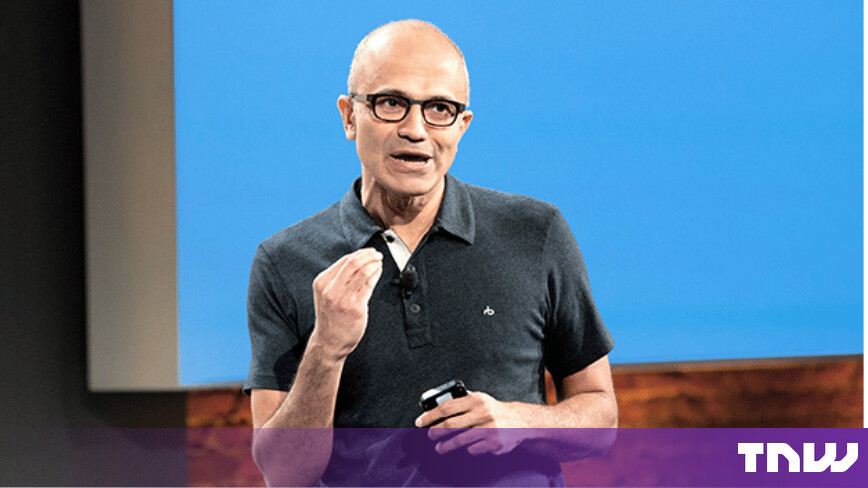
Microsoft’s Surface Laptop Ultra, built around Nvidia’s RTX Spark chip, is due to be presented in San Francisco on Wednesday. Microsoft chief executive Satya Nadella and Nvidia chief executive Jensen Huang will take part in the launch. The event is expected to provide the device’s price and release date, neither of which Microsoft has announced.
The announcement concerns a product launch rather than a regulatory decision. Microsoft has listed the laptop as a pre-release product, with final availability subject to regulatory approval. That condition means clearance remains outstanding, although the source material does not identify an authority or specify the approval process.
Local AI shifts work to laptops
Microsoft’s stated design aim is to let AI agents operate on the laptop itself instead of relying on cloud computing. AI agents are software that can carry out tasks, including writing and testing code. Analysts told Reuters that the device’s local processing could move some work away from Azure and onto customers’ computers.
That change could matter to companies planning how to run software that performs tasks on users’ behalf. The available material describes a potential shift in computing workload, rather than a confirmed change in how Microsoft or its customers will use Azure. It gives no detailed account of how the laptop’s agents will be managed or restricted.
Microsoft and Nvidia set out the hardware
Microsoft first showed the Surface Laptop Ultra at Computex in Taipei in June. The announced configuration includes a 15-inch mini-LED screen and up to 128GB of memory. The product is the first Surface designed around Nvidia’s RTX Spark chip, which Nvidia developed with MediaTek.
The chip pairs up to 20 processor cores with a Blackwell graphics chip. Microsoft says the system can reach up to one petaflop of AI performance. These are specifications and a performance claim attributed to Microsoft; the source material does not include independent test results or explain performance across particular workloads.
The launch continues a Microsoft push presented at Build in June, where the company described Windows as a platform for AI agents. Last month, Microsoft also brought its agents together in a new Copilot app. The material links those steps to a broader effort to make agent software available, while leaving the laptop’s final pricing and availability unresolved.
Price and containment remain unresolved
Microsoft is expected to disclose price and release timing at the San Francisco event, according to VideoCardz. Analysts told Reuters that price is a central question because a global memory shortage has raised laptop and desktop costs. The source material gives no price for the Surface Laptop Ultra.
Nvidia recently increased the price of its DGX Spark, a compact AI desktop with 128GB of memory, by about 75% to $6,950, according to Reuters. The material contrasts that price with AI laptops Microsoft promoted two years ago, most of which cost under $2,000. Those comparisons provide context, but they do not establish the Surface Laptop Ultra’s eventual price.
Analysts also said the companies need to show that AI agents can be kept safely contained on a personal computer. No product-specific safeguards or testing details appear in the supplied reporting. The reported statement from Anshel Sag, an analyst at Moor Insights Strategy, raised the concern that hardware costs could limit local AI use, even where software is ready.
The event should clarify the laptop’s price and planned release date, but the supplied material does not confirm either. Microsoft’s pre-release listing still makes final availability conditional on regulatory approval, with no authority or timetable identified. The companies’ account of containment and safeguards will also be relevant to organisations considering local agents. Further reporting can establish whether Wednesday’s presentation addresses those points and changes the product’s status.